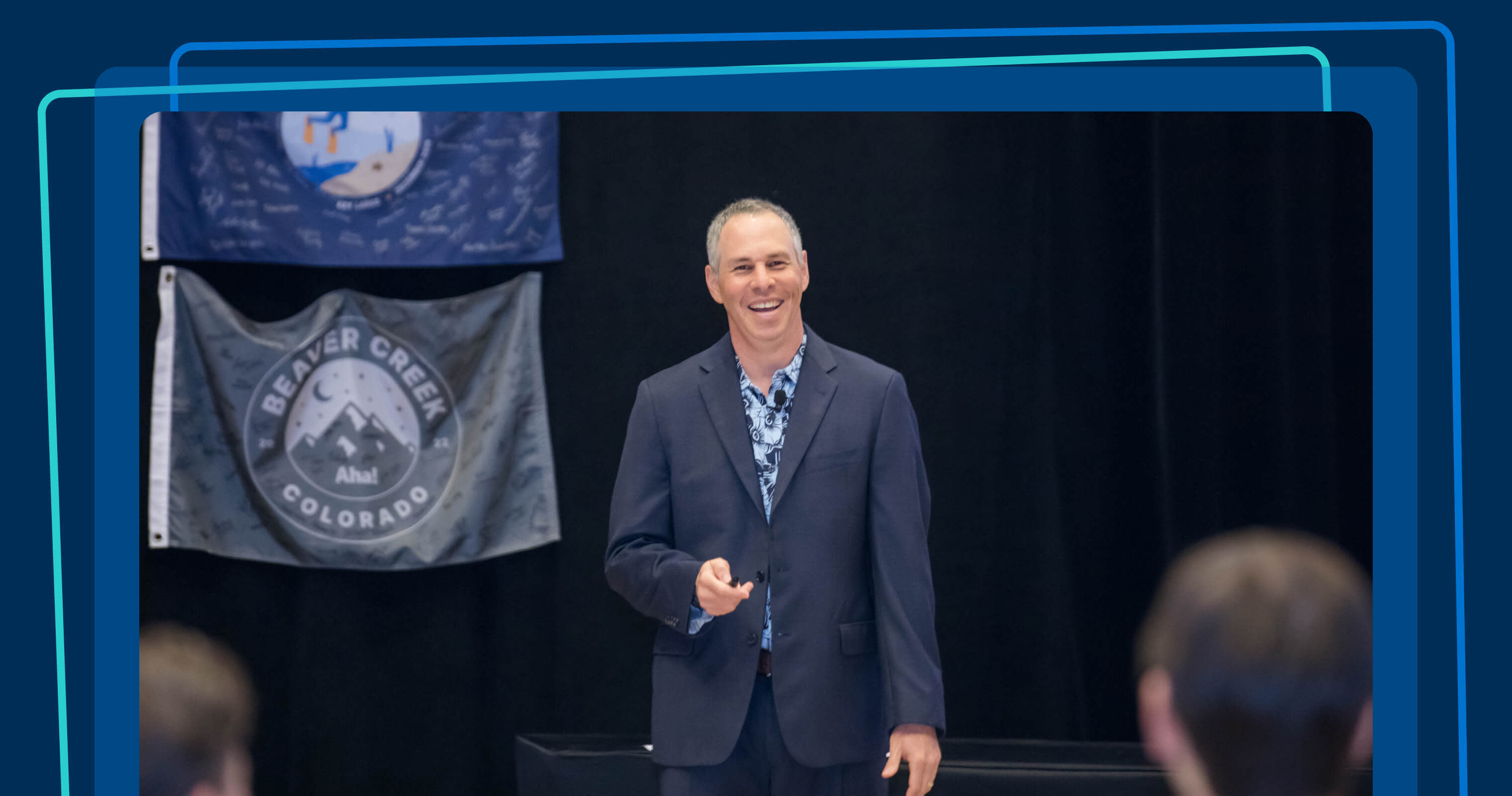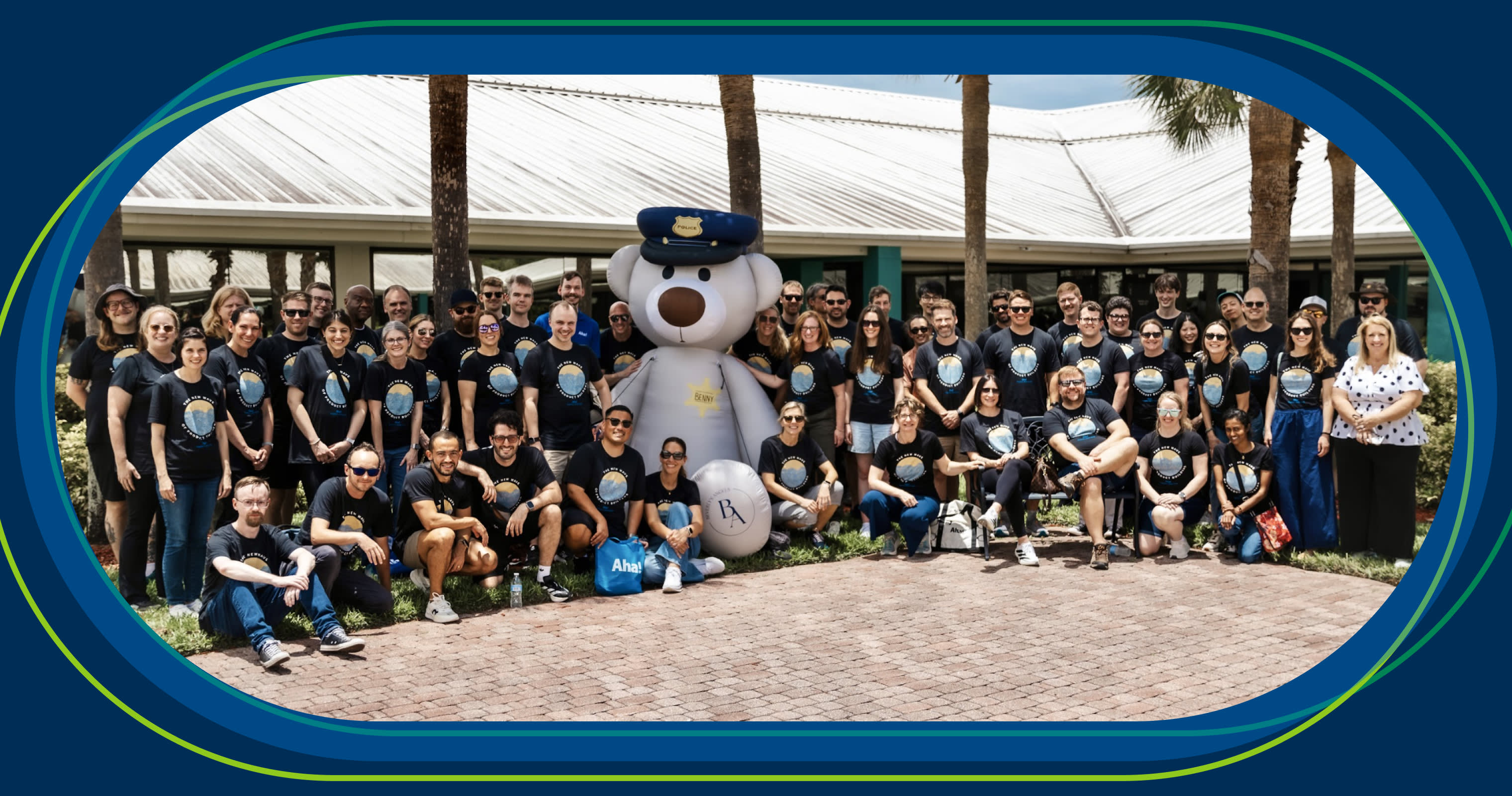
How do we flourish in the era of AI? | Photo by Jodi B Photography
The ROI of kindness at work


When Chris and I started Aha! in 2013, we built The Responsive Method (TRM) — our framework for personal and business success — around four principles:
Goal-first: Define your vision so the whole team understands where you are headed and why. Without it, you cannot evaluate what deserves your attention.
Interrupt-driven: Treat interruptions as information, not obstacles. When something important surfaces, pay attention to it.
Yea or nay now: No one likes to wait and everyone hates to be ignored. When a request comes in, respond. Even “I need to look into this” is better than silence.
Transparent: Tell the truth. If the answer is no, say so and explain why.
Then I was in a meeting with a vendor who was a real jerk. He was dismissive and transactional and acted like I was keeping him from something he would rather be doing. I left annoyed and realized we were missing something in our framework: Kindness.
A framework for how to work together should say something about how people treat each other.
I have been thinking about this a lot now in the era of AI. The technology continues to accelerate. AI is getting more capable, more embedded in how we work, and more present in the decisions we make. That trajectory is not going to reverse. We are never returning to a world where it is not a key part of how work gets done.
That leads to the question I recently put to the entire company at our onsite: How will we flourish in this new era?
One answer I reject is simply prohibiting AI. That is not realistic — and it would be harmful even if it were. We need to use it to make it work for us and to understand how to constrain it as well. And we would be turning away from a tool that is already opening up major possibilities in research, medicine, and the work people do every day.
Most people frame the answer to what we need to maintain as one about judgment and taste. The uniquely human capacity to make decisions that require context, nuance, and values. I agree with all of that.
But I want to talk about kindness.
Kindness in a corporate setting usually gets treated as a culture topic — good to have, but separate from how anything actually gets built. I do not see it that way.
Kindness is what great teams have. It is based on respect and on the recognition that each individual needs to be great for the team to thrive. Championship sports teams talk about this all the time — “having each other’s back” and “picking each other up.” That is not soft language. That is a description of what winning requires.
Kindness is also the antidote to the belief that work is a zero-sum game. That you have to grab what is yours before someone else takes it. That cruelty is just honesty with the volume turned up. None of that is true. Kindness is what leads to greatness — not as relief from demanding work, but as part of what makes demanding work possible.
No machine can do it for you.
Here is how I see kindness practiced and grown in organizations:
Recognize that great success depends on a group. The best work you will ever do will happen because of other people. The faster you internalize this, the more it changes what kind of teammate you are.
Be more than nice. Pleasantness is superficial. Kindness is action. It is showing up for a colleague when it is inconvenient. It is saying the honest thing in a way that builds rather than breaks. Nice is easy. Kindness takes effort.
Find moments when no one is looking. If you are only kind when someone might notice, that is not kindness. It is positioning. The quiet moments — ones with no audience and nothing to gain — are where it really counts.
Highlight when you benefit from it. When someone else's generosity makes your work better, say so out loud. It reinforces the behavior. It teaches the team what to value.
Acknowledge when you could have done better. There will always be moments when you are selfish, impatient, or short. Honest self-reflection is what keeps kindness from becoming a story you tell about yourself instead of something you actually do.
The payoff is how you feel about yourself. No frustrated colleague or difficult manager can ever take that from you.
Practiced in small and large ways across a team, kindness creates stability and a real chance at sustainable happiness.
Practicing it may be the most human thing we do as the influence of AI expands. Go boldly — and take care of each other while you do.
Read more posts from Brian and subscribe to The Startup Adventure.