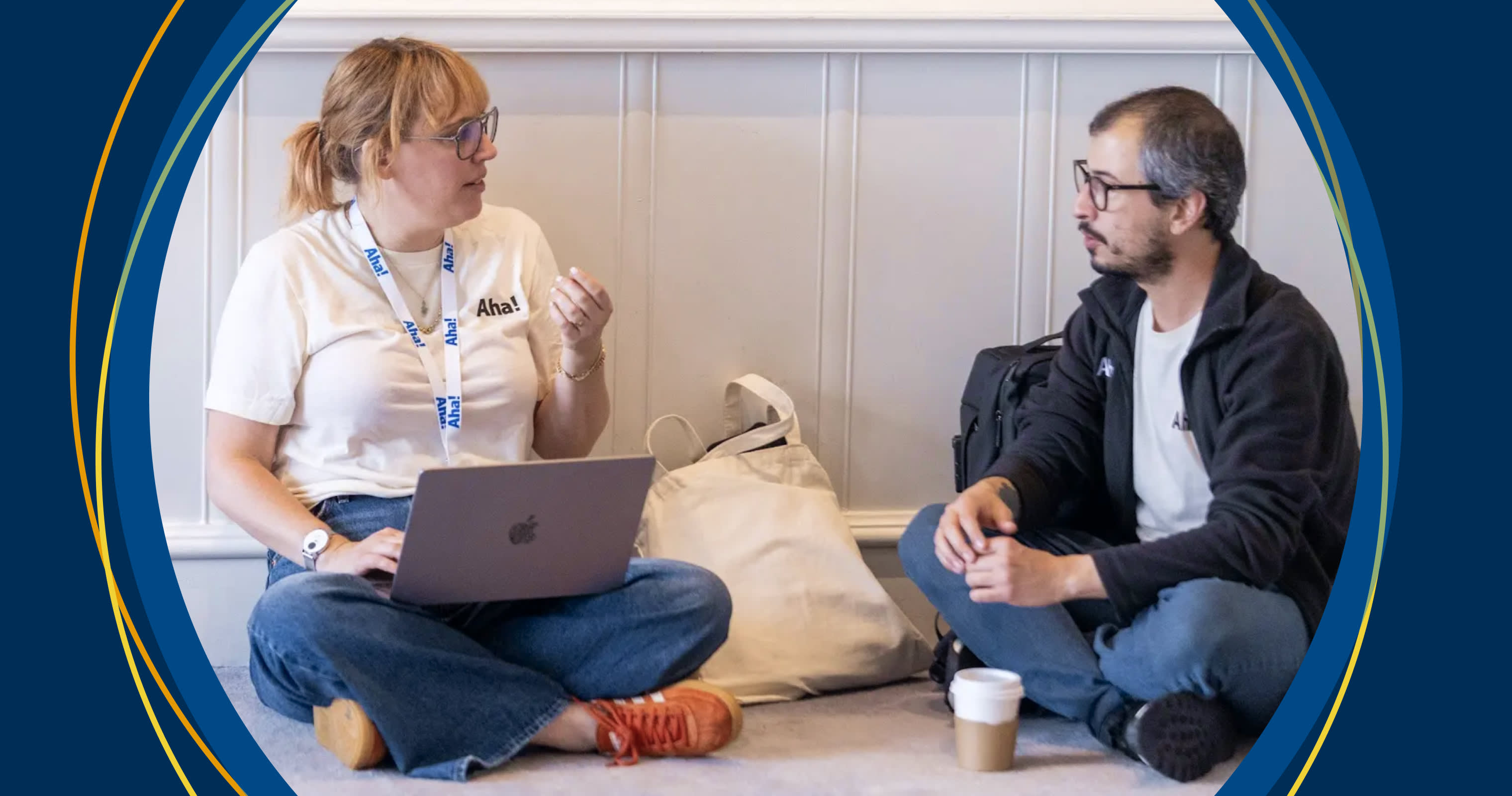
AI makes everything faster to produce. These eight principles are about making sure faster also means better. | Photo by Jodi B Photography
A product manager's AI manifesto


We wrote down six values when Chris and I started Aha! in 2013. We did that to describe our core principles and as a way to help people who wanted to join the company decide if Aha! was right for them. We were not trying to be philosophical. Our goal was to be as direct as possible. We had built and sold multiple companies before. We had done it the traditional way. Chased venture money on an idea and some "promises." Tried to fit into other people's view of a tech company.
This time, we wanted something different. So we chose to bootstrap the company and focus on value over valuation. We centered ourselves on these values: integrity, skill, effort, ambition, learning, and team spirit.
Every decision gets simpler — especially in tough times — when you already know what you stand for.
Being self-funded gave us the room to live by them. No outside investors, no board pushing us to grow faster than our own standards could support. No pivots or wild swings in strategy. We could hire carefully and build deliberately. And when the right answer was "no" (even when "yes" would have been simpler in the short term), we could say that.
You can see it in thousands of small ways. It shows up in our products — we want to build something lovable, something people look forward to using. In how we respond when a customer tells us something is broken. In deals we have walked away from.
This is not always the fastest path. But it is, in my experience, the better one.
More than a million product builders rely on Aha! software today. I do not think that happened because we found some secret growth trick. I think it happened because we kept returning to the same question: Does this reflect what we say we believe?
You find out what your values are when there is pressure on them.
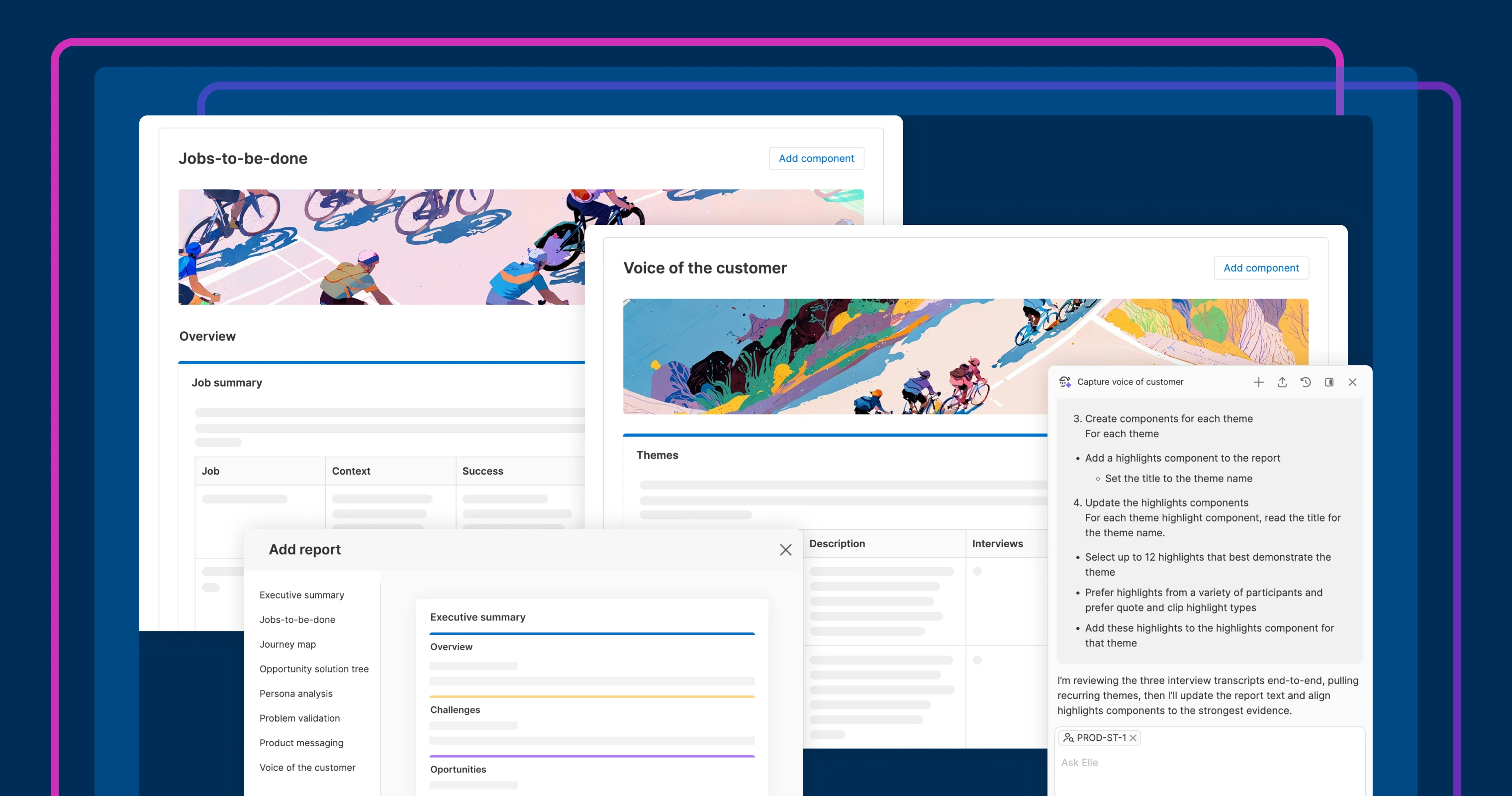
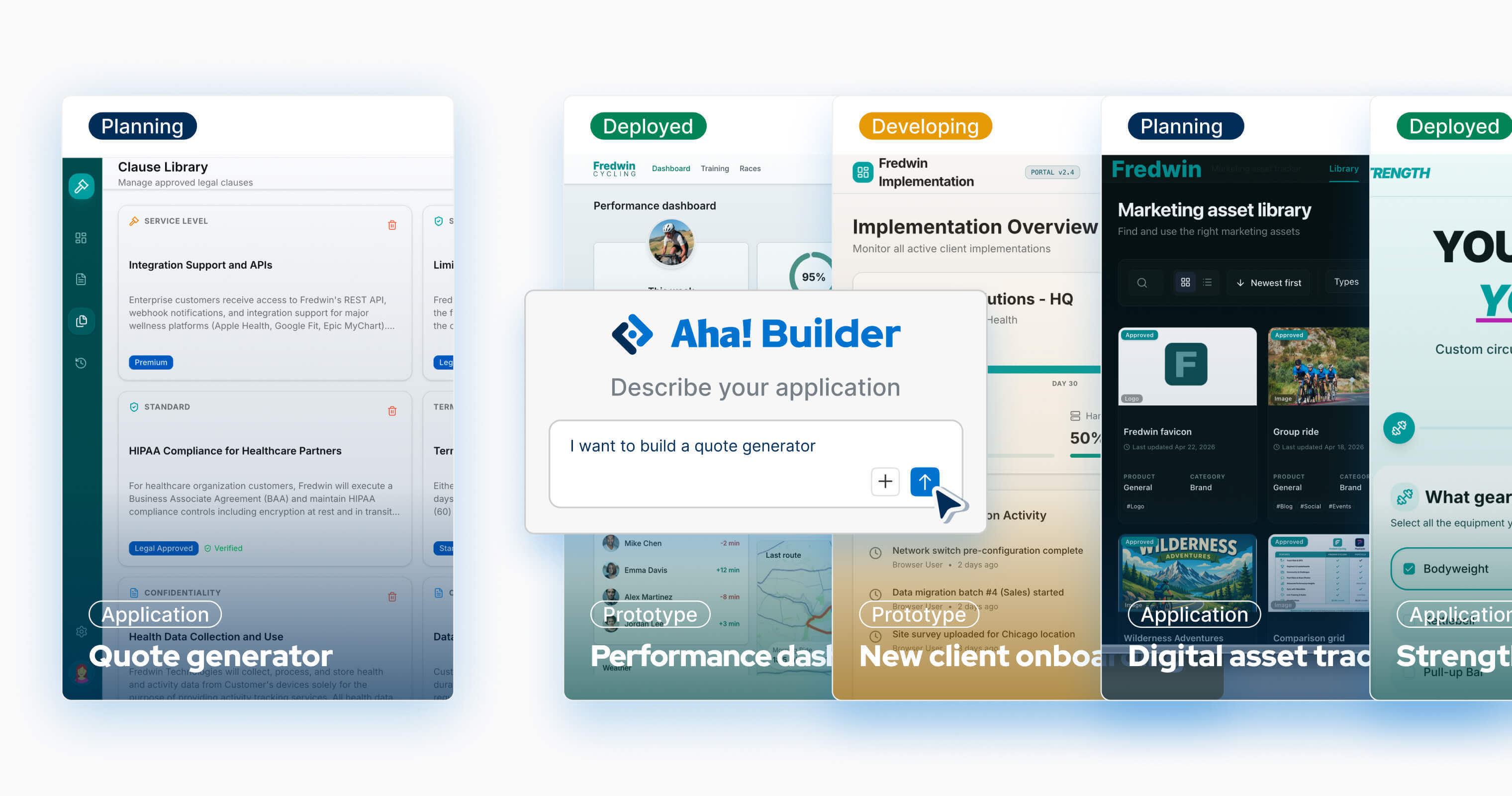
The AI frenzy we all feel, combined with widespread uncertainty, is that pressure right now. We are not immune to it. We rushed to build Elle (the AI assistant) directly into our software, and our team uses it continually. It is now woven through the entire product lifecycle — from customer research through release planning and beyond.
That rapid change to what is possible is also disorienting. I feel it too. AI output is good enough now that you stop redoing it. And then you stop noticing that you stopped. Later, you wonder: Did I actually think that through, or did I just approve something that sounded like I had? Am I forming a point of view, or selecting from one?
How quickly things start to feel finished is extraordinary. And it is easy to let AI set the pace for your deeper thinking, too.
Our original values were written for building a company. They have served us well for over a decade. But since AI has changed the daily act of building products so thoroughly, I think we need something new. A manifesto that puts human dignity ahead of AI output.
Because without that commitment, the tools will fill the vacuum — more polished deliverables, more confident-sounding recommendations, less and less time spent on whether any of it is actually good or right.
Product work has always been measured by whether what you build is worthy of the people who will use it. They ultimately judge that with their attention and money. If anything, a building standard is more urgent now than it was before.
Start with what you believe. And make sure it is still you behind the decision after AI is done assisting. AI is a tool that helps you be your best.
Here is the manifesto — eight principles for PMs building with AI:
Be realistically optimistic. Use AI to get closer to what is happening, or the actual truth. And frame what is possible, because people are looking to you for hope. Consider the customer and business problems you have been putting off. And put them in a positive light. If AI helps you spot challenges, good. If it makes you negative (or worse, angry), you are going backward.
Own the strategy. The volume and confidence of AI output are persuasive on their own. But it will never provide a differentiated vision that is true to what makes you authentic. When you approve something AI produced, make sure it is aligned with your view and that you can defend it as your own.
Stay connected to the customer. We still depend on human interaction to grow. And we need each other to thrive. Customers tell you the most important thing almost in passing — on their way to a different point. An AI summary will not capture that. Talk to customers directly and listen closely. There is no substitute for hearing someone describe their own experience.
Be honest about the output. Do not pass along borrowed thinking as your own. Do not describe progress that has not happened. When the stakes are high, say where AI informed the work. And say what you are still uncertain about, even when that is uncomfortable.
Earn speed through rigor. AI will give you a good-sounding answer whether you understood the problem or not. Only you know which one happened. Spend that time scrutinizing the thinking. We can go fast, but our deep thinking often needs to be slow.
Debate vigorously. Strong teams argue about ideas because they care enough about the outcome to keep going. AI drafts something, and it sounds reasonable. Nobody objects. If your team reaches consensus quickly on something with real consequences, someone is not saying what they think.
Prioritize ruthlessly. Most teams will use extra capacity to produce more of what they were already producing. What can you now pursue that was out of reach before? Choose that.
Deliver what you are proud of. Ship faster if you want. But if customers are less delighted, something went wrong along the way. Do not let cheaper production breed apathy. Check your own sense of pride. It will guide the way.
You do not need anyone's permission to hold yourself to the highest standard. You never did. It is just harder now because everyone is so sped up.
The tools are going to keep getting better. I am counting on it. But what you demand of yourself cannot go slack. How honest you are with yourself about whether the work is good enough — nobody else is going to answer that for you.
We need to aim to be the best versions of ourselves and celebrate our collective humanity. You might want to reflect on this manifesto and adopt it on your own team. Or you might want to write your own oath. Maybe yours will start with doing no harm. My only hope is that you think deeply about what will guide your path — when you work with others and when you instruct agents to assist you.
Product management is more consequential right now than it has ever been. You have a lot to contribute, including defining what is important to you. Go boldly.
Want to keep the conversation going? Subscribe to The Startup Adventure.